

Shaping narratives, one story at a time.
- Gaynor Simpson
- Oct 12, 2025
- 4 min read
Updated: Oct 13, 2025
Spaghetti Western
Filmmakers Digital Diary 5
12 October 2025
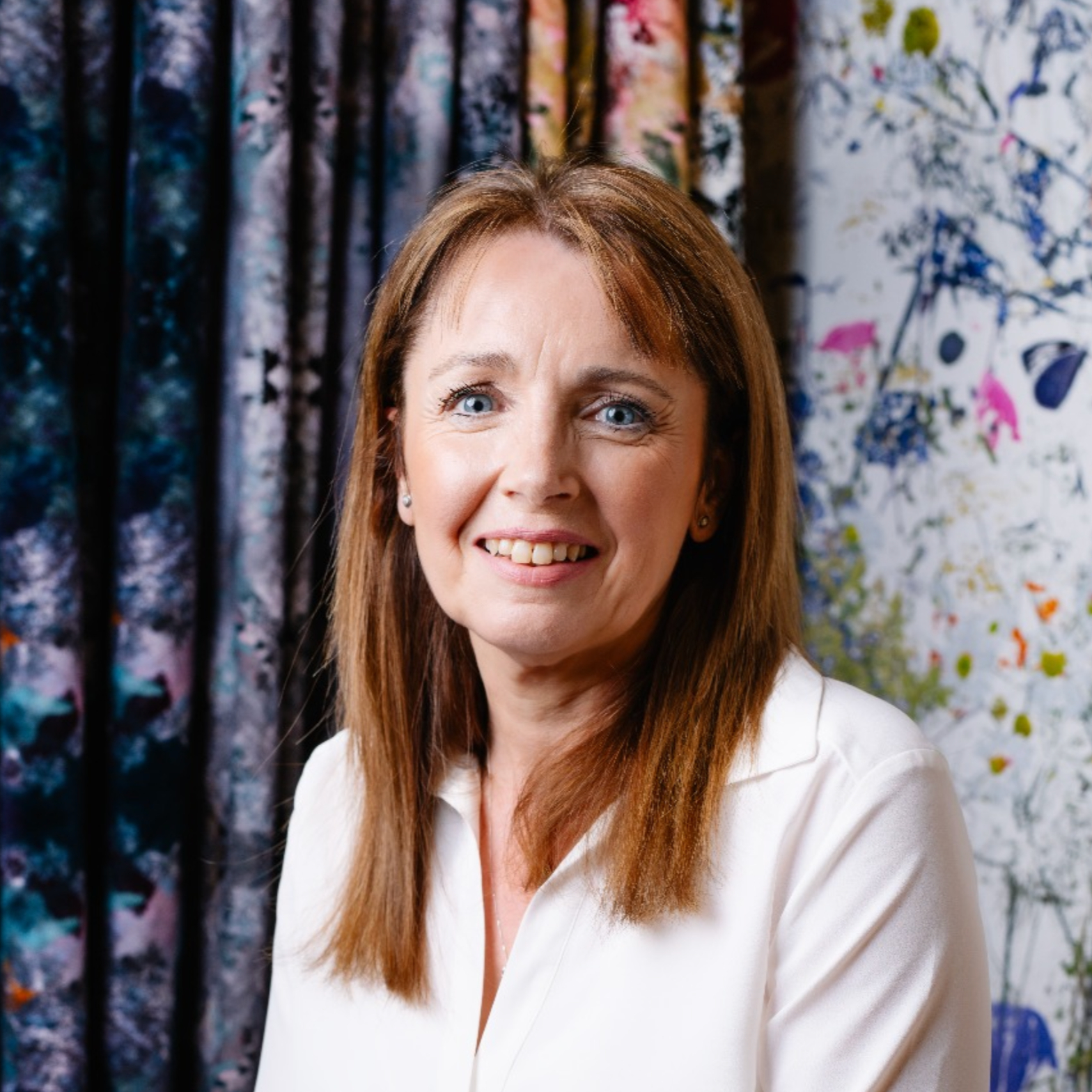
Hello Eden residents. Our fifth entry of the Filmmakers’ Digital Journal comes from me, Gaynor Simpson, where we’ll take a look at storytelling from the point of view of a PR professional. Since public relations is essentially storytelling, it’s no wonder that when I was introduced to the Spaghetti Western project by a mutual contact – a fellow rebellious spirit – I knew that I had to get involved.
I only recently realised, that stories and storytelling have been a constant theme throughout my life. As a child, I wanted to be a writer or an actress, I used to make up performances and characters and put on shows. I created a spoof newspaper with amusing stories which I used to give to my dad, and I read books. A lot of books. Seriously, I can’t imagine not being a reader. Stories shape your view of the world, they allow you to take yourself somewhere else and they embed the narratives that we take into our daily lives. No wonder I took a degree in English Literature and then pursued a career in public relations. Stories are everywhere.
From a scientific perspective, stories light up parts of the brain that statistics and charts simply don’t reach. It’s called the Wernicke’s area and it’s the part of the brain that’s activated when we translate information into meaning. When we hear a story, many areas of the brain light up, including those we would use if we were experiencing the events in the story for ourselves.
This is why storytelling is so powerful, for writers, actors, filmmakers, marketers and public professionals.
Spaghetti Western takes the traditional western and looks at it in a different way. It has some of the familiar motifs… the bad sheriff, the saloon, the brothel and the gunfights. But it looks at a period in history with a distinctly female gaze. There is community, diversity, female confidence, a timely look at immigration and of course, there’s food. Lots of really, really good food.
We’ve all seen a Western movie at some point or another.. from The Searchers to High Noon; True Grit; Butch Cassidy and the Sundance Kid, The Good, The Bad and the Ugly, Unforgiven…our understanding of not just this cinematic art form but the very essence of how America’s West was developed has been shaped by these stories.
If you watched a Western as a child, or played Cowboys and Indians, we all wanted the ‘good’ cowboys to overcome the Native Americans because they were the baddies, right? The white cowboys were the heroes and they had to beat the barbaric ‘Red Indians’. This is what we know because this is what the books and films about the Wild West have always told us.
But that’s not the real story is it? Cowboys weren’t all white guys. One in four cowboys were Black. Many were Hispanic and Native American. The American Frontier was the ultimate melting pot of nationalities; Spanish, French, Scots-Irish, English, German, Dutch, Chinese and African Americans. Between 1880 and 1920, almost 14 million immigrants arrived in the US. Yet we haven’t, to date, heard the stories of these people. Our view of the Wild West is shaped by images of John Wayne, Gary Cooper, Clint Eastwood and the rest.
As for the Native Americans, there’s a whole trove of other stories to be told, when you consider that the population of the Americas was probably around 50 million prior to colonisation. Just 150 years after Europeans set foot on American soil, just 10% of the indigenous population was believed to be left.
And what about women? Yes, there were women playing a key role in the shaping of the American West. When we see them in many Western films, they’re regularly being brutalised by men. Typically, they are portrayed as downtrodden homesteaders, saloon workers or hookers.
Yet, their stories are more rich and complex than that. They had far more freedoms and opportunities for independence than women in the east. They could divorce their husbands, own property, vote, run their own businesses and even wear trousers.
I particularly love the fact that the women’s suffrage movement in America began in the west. Almost all of the western states enfranchised women long before states in the east granted women the vote. As someone whose family history is rooted in Manchester, where the British suffrage movement started, this actually brightens my soul. Never mess with women from the west.
In essence, we need to hear new stories, we need to let diverse voices re-shape the narratives about so many of the things that we believe to be true. The only way that that we can make sure these stories are told is to untie the purse strings that currently determine who says what and when.
Will you hitch a wagon and ride with us?
“You got to make your own worlds. You got to write yourself in.”
Octavia E. Butler


Comments